
Sabre
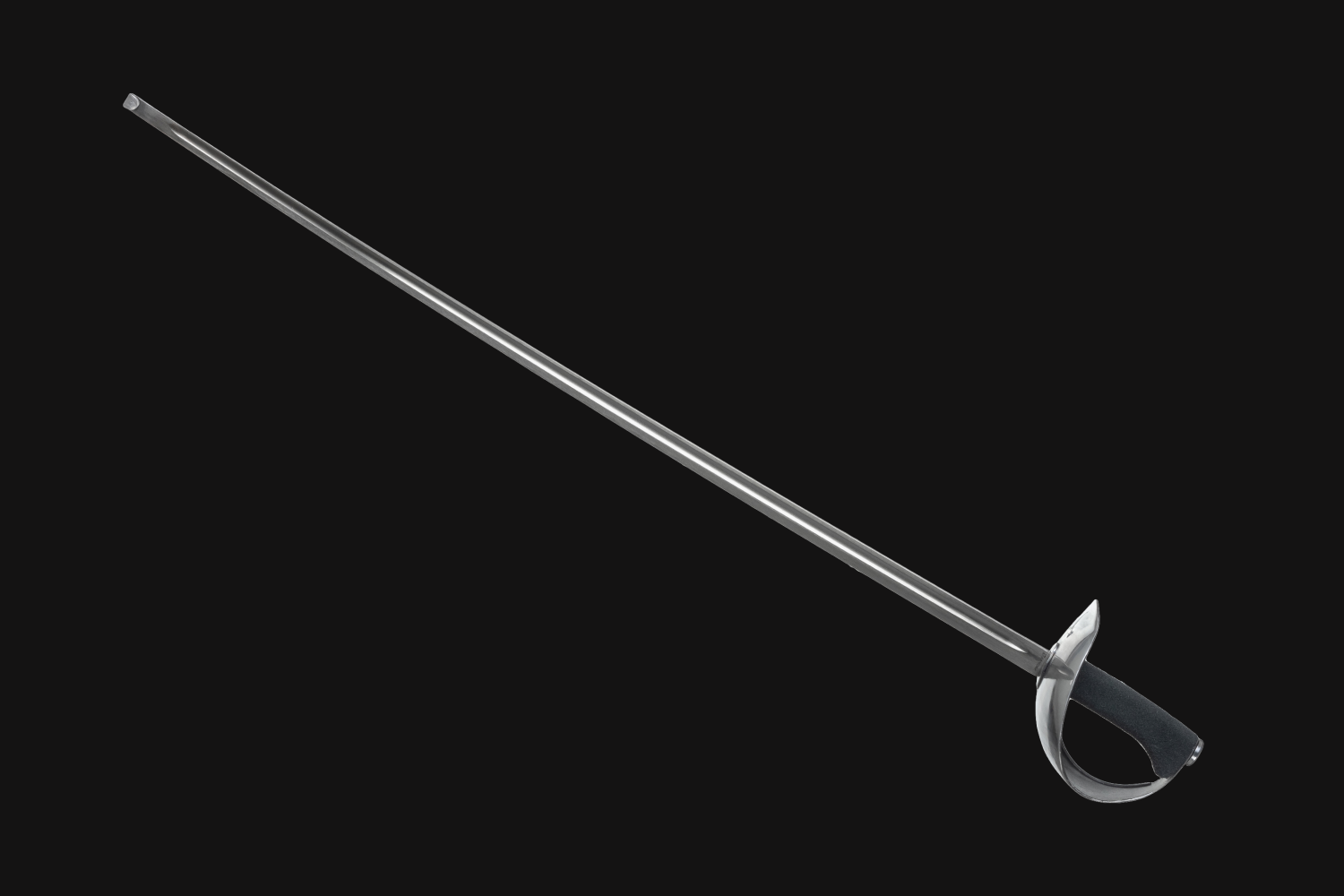
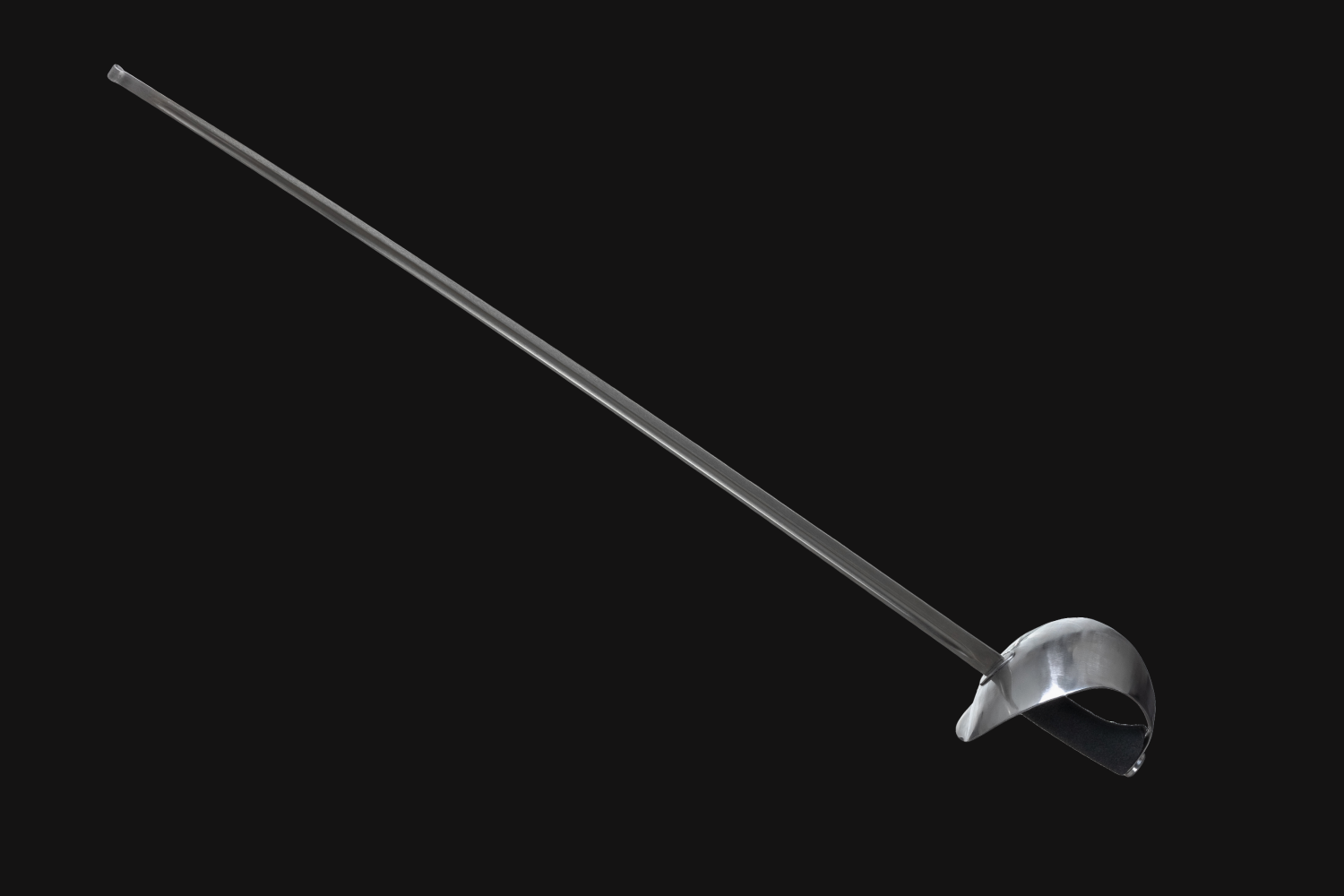
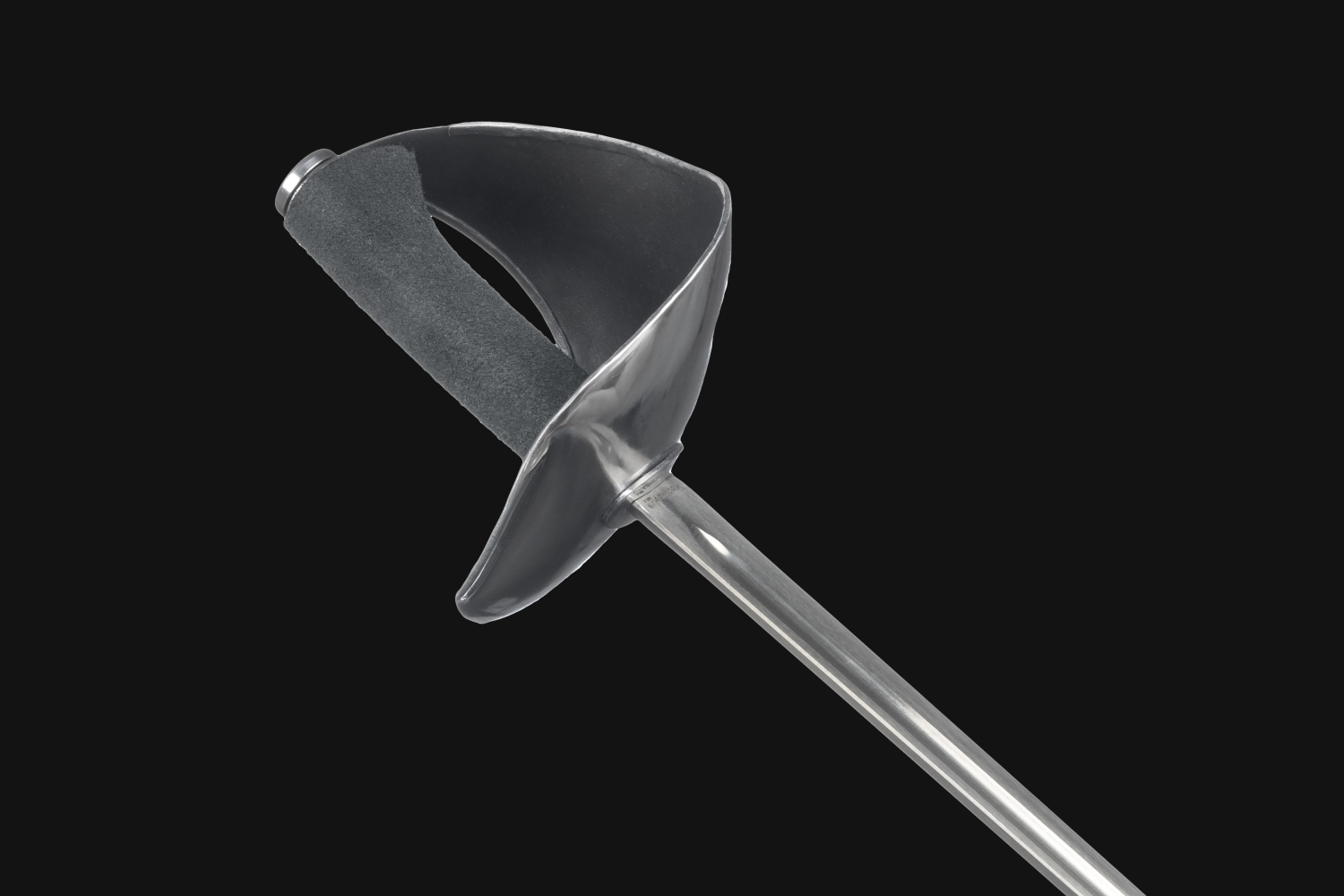
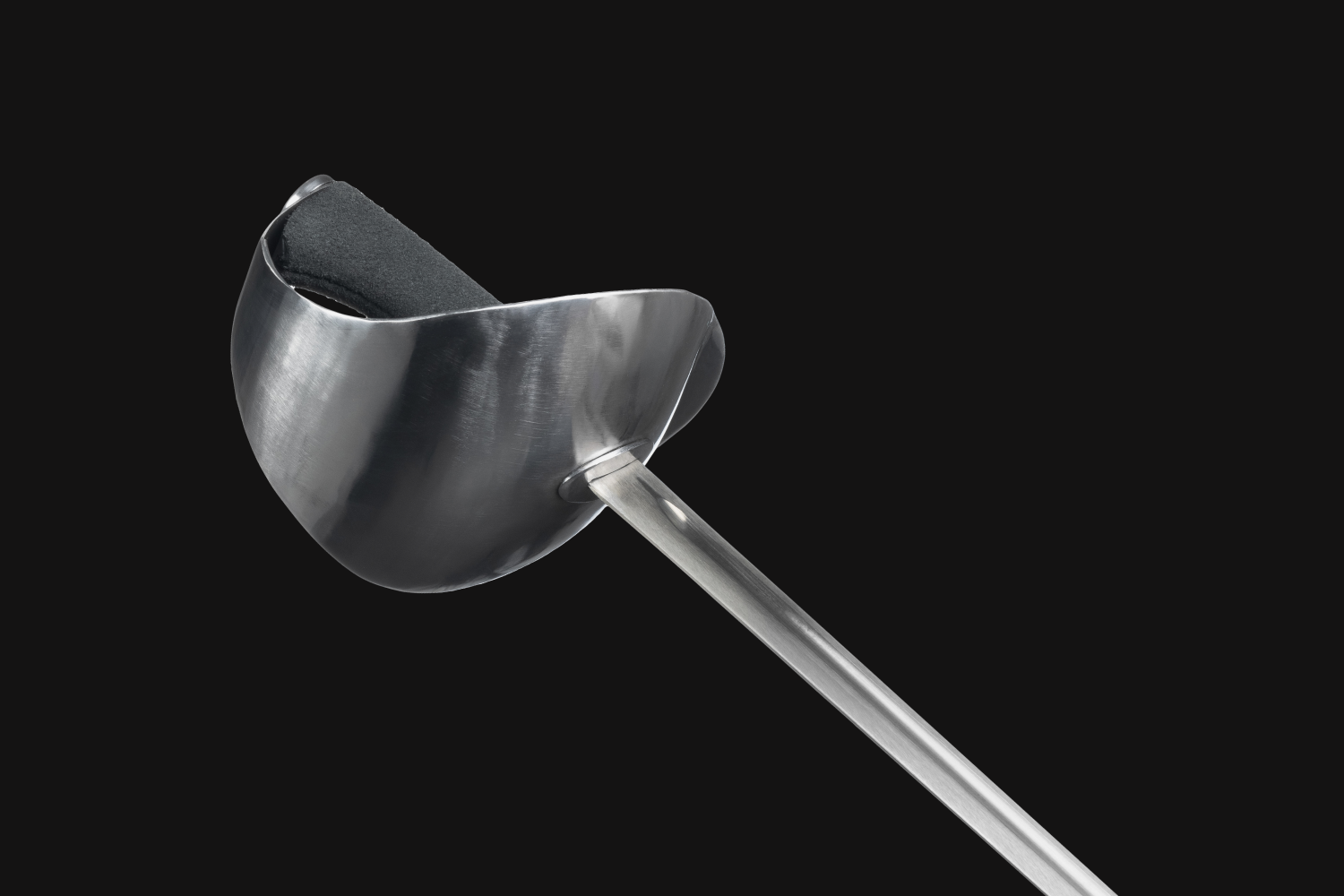
The military saber developed especially actively during the 18th and 19th centuries. It was used by cavalry, infantry, and officers alike.
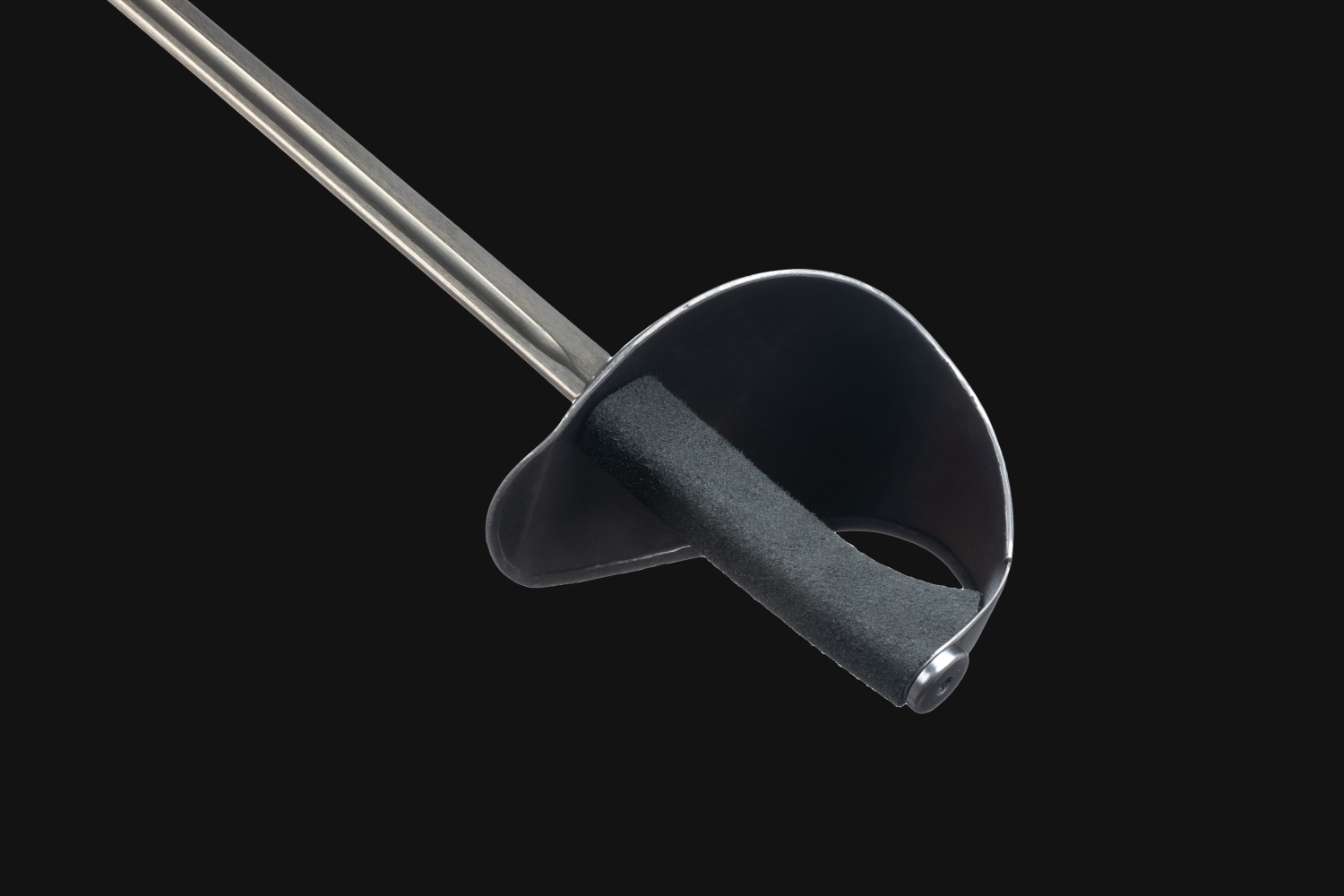
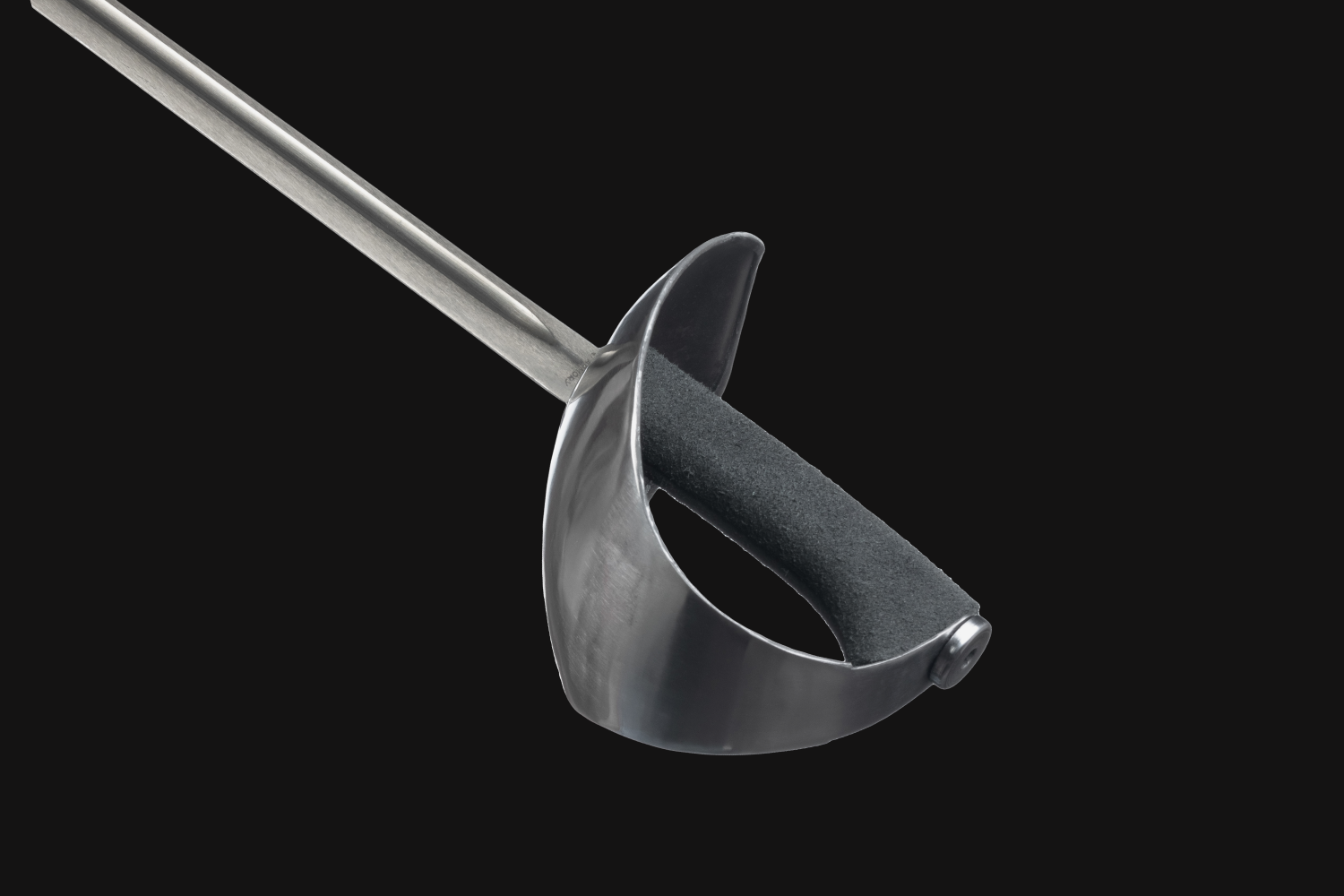
The guard provides solid hand protection without taking away the distinctive feel of the weapon. The blade has a comfortable balance, is easy to control in motion, and allows confident work with both cuts and thrusts.
This is a simple, yet strong and comfortable saber for regular training, sparring, and tournament use, designed with close attention to the feel of a historical weapon.
This model can be fitted with either a more flexible or a stiffer blade. Please specify your preferred option in the order comments.
The saber is a broad term for many types of single-edged bladed weapons with a curved or nearly straight blade, used across Europe, Asia, and the Middle East.
The military saber developed especially actively during the 18th and 19th centuries. It was used by cavalry, infantry, and officers alike. Unlike dueling and sporting sabers, it was shaped primarily as a practical weapon for military service and combat.
This defines its character: a moderately curved blade, a pronounced protective guard, a reliable grip, and a balance that allows confident work in attacks, parries, ripostes, and counterattacks.
Today, military saber is one of the most popular disciplines in historical fencing. It combines dynamic footwork, a fast tempo, clear tactics, and a wide range of technical actions.
The guard provides solid hand protection without taking away the distinctive feel of the weapon. The blade has a comfortable balance, is easy to control in motion, and allows confident work with both cuts and thrusts.
This is a simple, yet strong and comfortable saber for regular training, sparring, and tournament use, designed with close attention to the feel of a historical weapon.
This model can be fitted with either a more flexible or a stiffer blade. Please specify your preferred option in the order comments.